
Product Questions
What makes Hive Bodies bee boxes different?
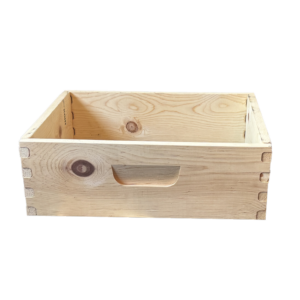
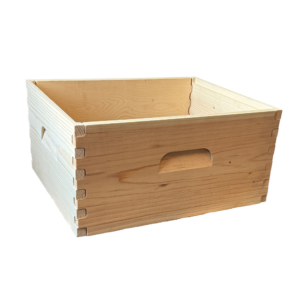
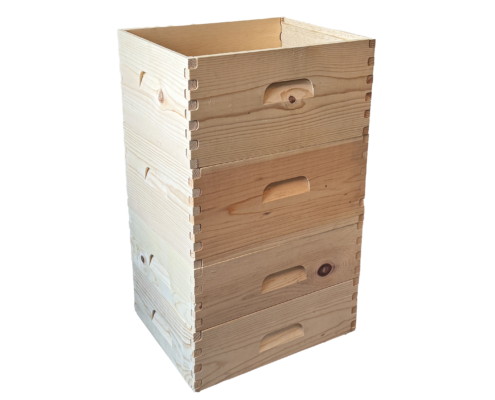
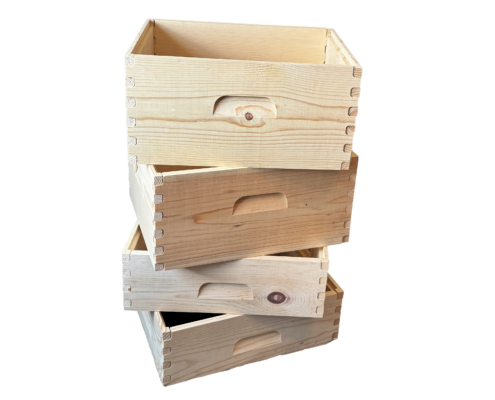
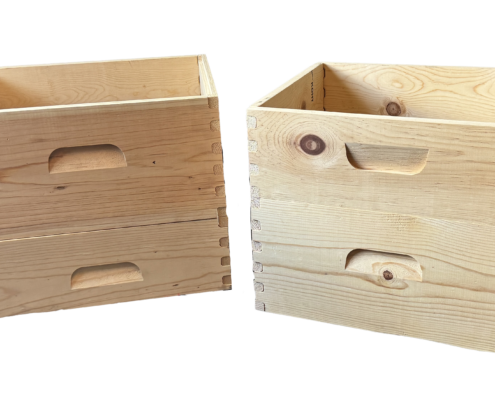
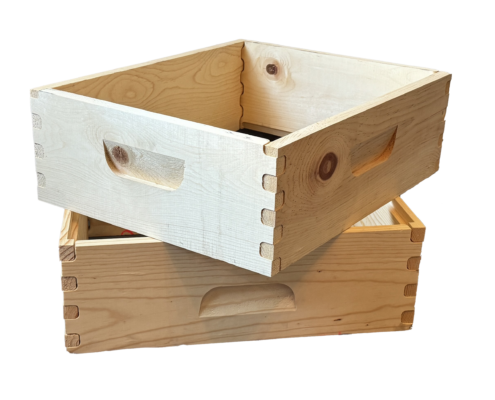
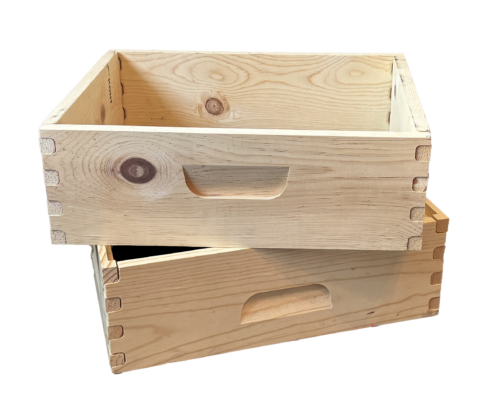
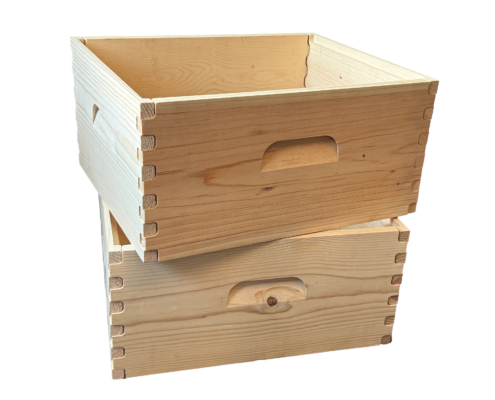
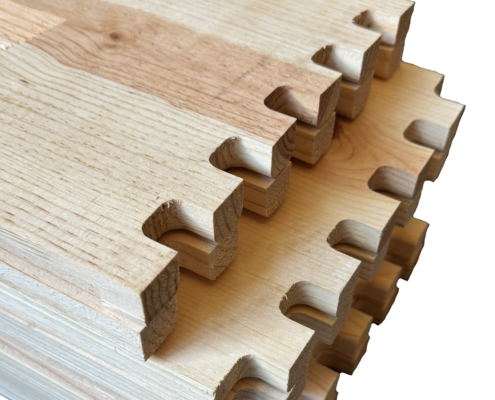
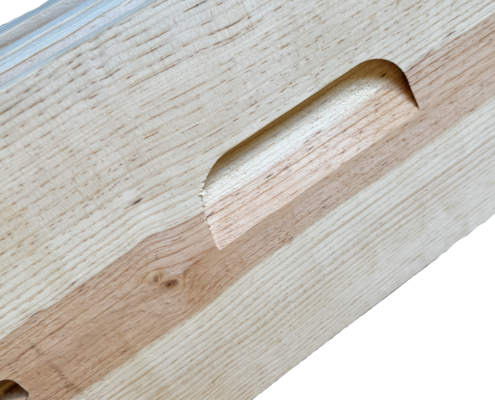
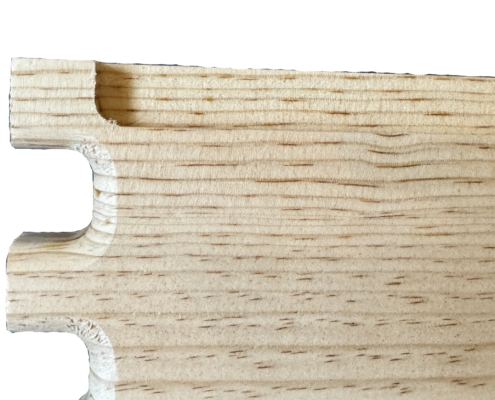
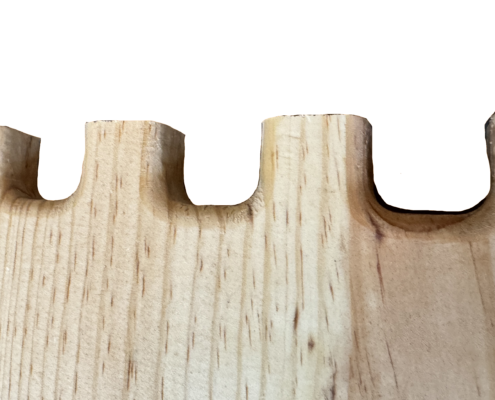
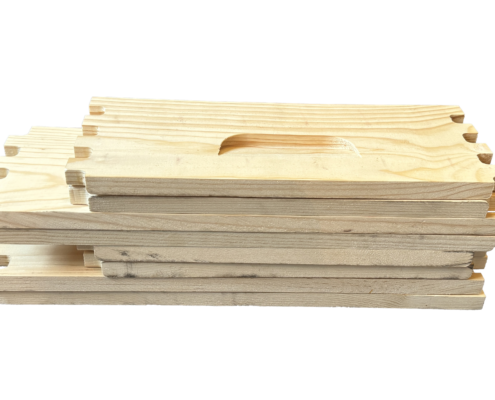
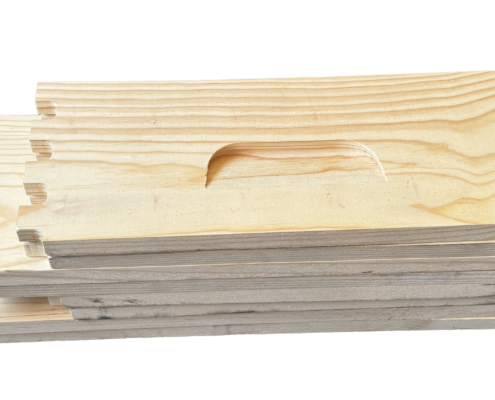
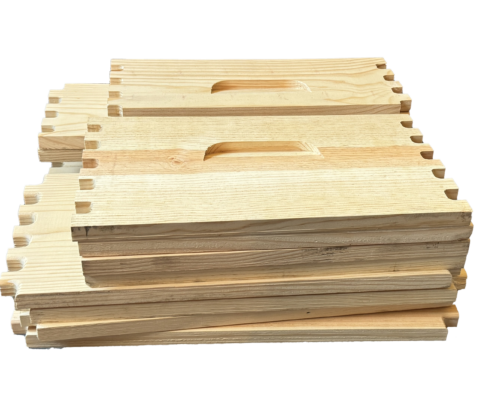
Hive Bodies bee boxes include several design features to improve durability and ease of use:
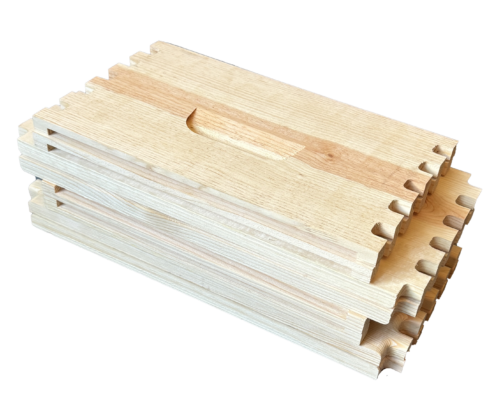
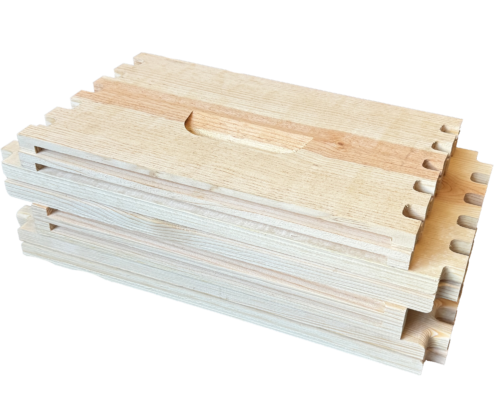
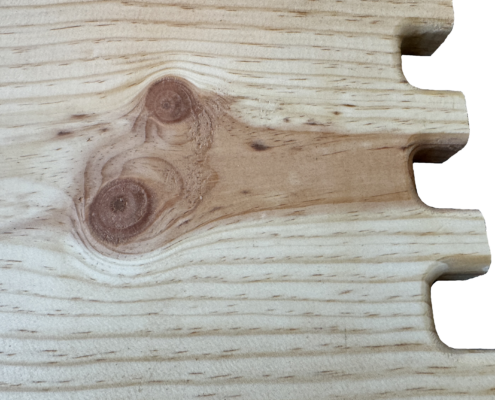
- Radius-edged finger joints for easier assembly
- A full top-corner rabbet for a stronger joint
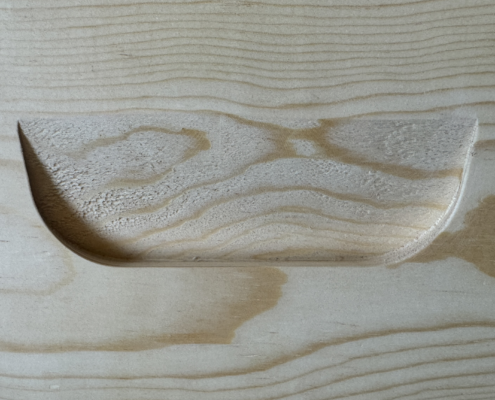
- Ultra-wide handles for comfortable lifting and handling
These design elements help improve both structural strength and usability for beekeepers.
What sizes of bee boxes do you offer?
Hive Bodies offers standard 10-frame boxes in multiple sizes, including:
- 6-5/8″ Medium boxes
- 9-5/8″ Deep boxes
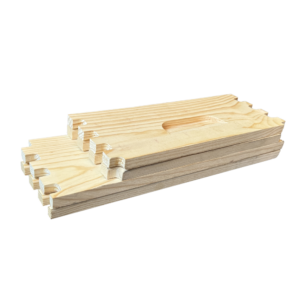
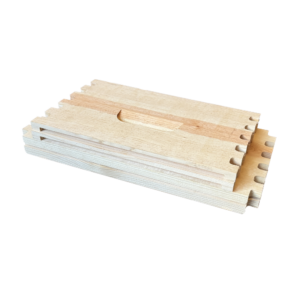
Both assembled and unassembled options may be available depending on the product.
Do you offer equipment to help assemble bee boxes?
Yes. Hive Bodies offers specialized assembly tools such as:
- Hive Pro – A rotating assembly jig designed to help clamp and rotate bee boxes for faster assembly.
- Hive Pro Lite – A more economical version that mounts vertically to a bench or stand while providing the same rotating clamp system.
These tools help streamline the box assembly process.
General Information
What size bee box do I need?
The most common bee hive boxes used in modern beekeeping are deep, medium, and shallow boxes.
For most beekeepers:
- Deep boxes (9-5/8″) are typically used as brood boxes where the queen lays eggs.
- Medium boxes (6-5/8″) are often used as honey supers because they are lighter and easier to lift.
Hive Bodies manufactures 10-frame deep and medium hive boxes, which are standard sizes used by beekeepers across North America.
Bee hive box types: deep vs medium vs shallow
Bee hive boxes come in three main sizes:
Deep boxes
- About 9-5/8 inches tall
- Usually used for brood chambers
- Hold more frames and brood
Medium boxes
- About 6-5/8 inches tall
- Often used for honey supers
- Easier to lift when full of honey
Shallow boxes
- Around 5-3/4 inches tall
- Sometimes used for comb honey production
Hive Bodies currently produces deep and medium hive boxes, which are the most common sizes used in standard Langstroth hives.
How do I choose bee hive boxes?
When choosing hive boxes, consider:
- Weight when full of honey
- Durability of the material
- Joint strength and construction
- Ease of handling
Hive Bodies boxes are designed with features to improve strength and usability, including:
- Radius-edge finger joints for easier assembly
- Full top-corner rabbet joints for durability
- Ultra-wide handles for comfortable lifting
These features help make hive boxes easier to assemble and handle in the field.
What hive boxes are best for beginner beekeepers?
Beginner beekeepers typically start with:
- 1–2 deep boxes for the brood chamber
- 1–2 medium boxes for honey production
Medium boxes are often recommended for beginners because they are lighter and easier to manage when full of honey.
Choosing high-quality hive boxes made from durable wood can also make hive maintenance easier over time.
What beekeeping supplies do I need to start?
A basic beekeeping setup usually includes:
- Hive boxes (deep and/or medium)
- Frames and foundation
- Bottom board
- Inner cover
- Outer cover
- Bee suit or protective gear
- Hive tool
- Smoker
High-quality hive boxes are one of the most important parts of the hive because they house the colony and support the frames where bees build comb.
Basic beekeeping equipment list
Here is a common beginner equipment list:
Hive components
- Bottom board
- Hive bodies (deep or medium boxes)
- Frames and foundation
- Inner cover
- Outer cover
Tools and safety
- Bee suit or jacket
- Gloves
- Smoker
- Hive tool
Optional equipment
- Assembly jigs for hive boxes
- Extractors
- Feeders
Hive Bodies also offers assembly tools like the Hive Pro and Hive Pro Lite to help speed up bee box assembly.
How do you assemble a bee hive box?
Bee hive boxes are typically assembled by:
- Aligning the finger-jointed corners
- Applying wood glue (optional but recommended)
- Clamping the box square
- Fastening with staples or nails
Hive Bodies boxes feature radius-edge finger joints, which help simplify assembly and create a strong joint when fastened together.
Assembly jigs like the Hive Pro can hold the box square and rotate it while fastening, making the process faster and easier.
Bee hive box maintenance tips
Proper maintenance helps extend the life of hive boxes.
Best practices include:
- Painting or sealing exterior surfaces
- Inspecting boxes each season for cracks or damage
- Keeping boxes dry during storage
- Replacing damaged joints or wood
Well-built pine hive boxes can last many years when properly maintained.
What materials are bee hive boxes made from?
Bee hive boxes are commonly made from:
- Pine
- Cedar
- Cypress
- Plastic or composite materials
Hive Bodies hive boxes are milled from Ponderosa Pine, a durable and widely used material in beekeeping equipment.
Wood hive boxes are popular because they provide:
- Natural insulation
- Strength and durability
- Compatibility with standard hive equipment
Ordering & Shipping
Do you offer free shipping?
Yes. Free shipping is available on orders over $150.
Are discounts available for bulk orders?
Yes. Certain products offer quantity discounts for larger orders, with reduced pricing when ordering multiple boxes.
Returns & Support
What is your return policy?
Hive Bodies offers a 30-day return policy. Items must be unused and in the same condition as received to qualify for a refund or exchange.
What if my product is defective or damaged?
Defective or damaged items can be exchanged for the same product by contacting the company and returning the item for inspection.
How can I contact Hive Bodies?
ou can contact Hive Bodies by:
- Phone: (605) 628-2700
- Email: in**@********es.com
- Website contact form